Grain Silo Loading Precautions
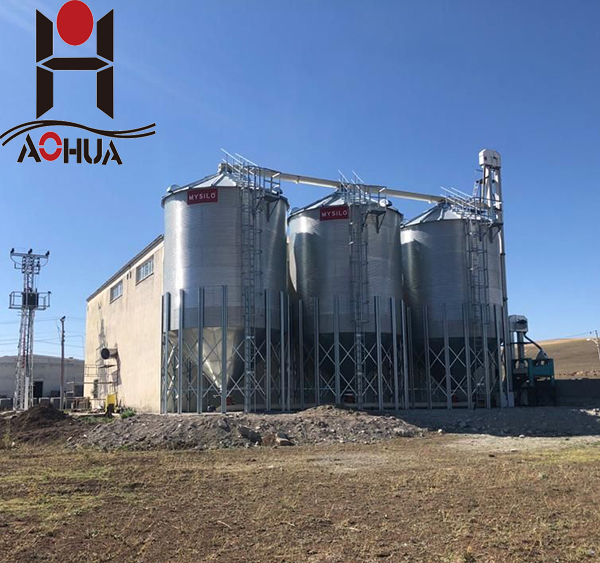
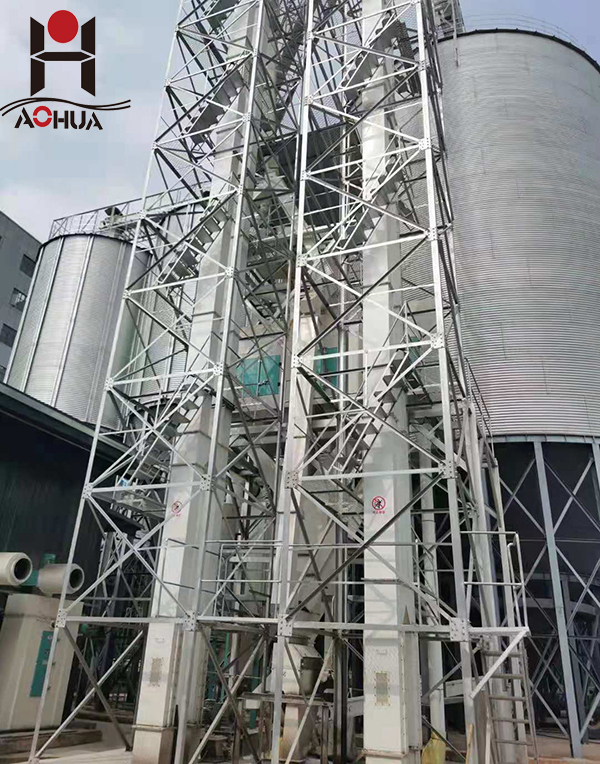
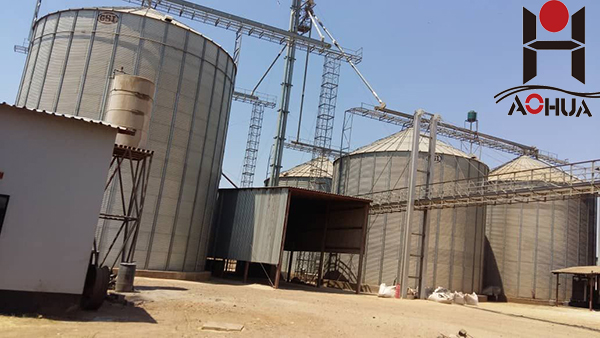
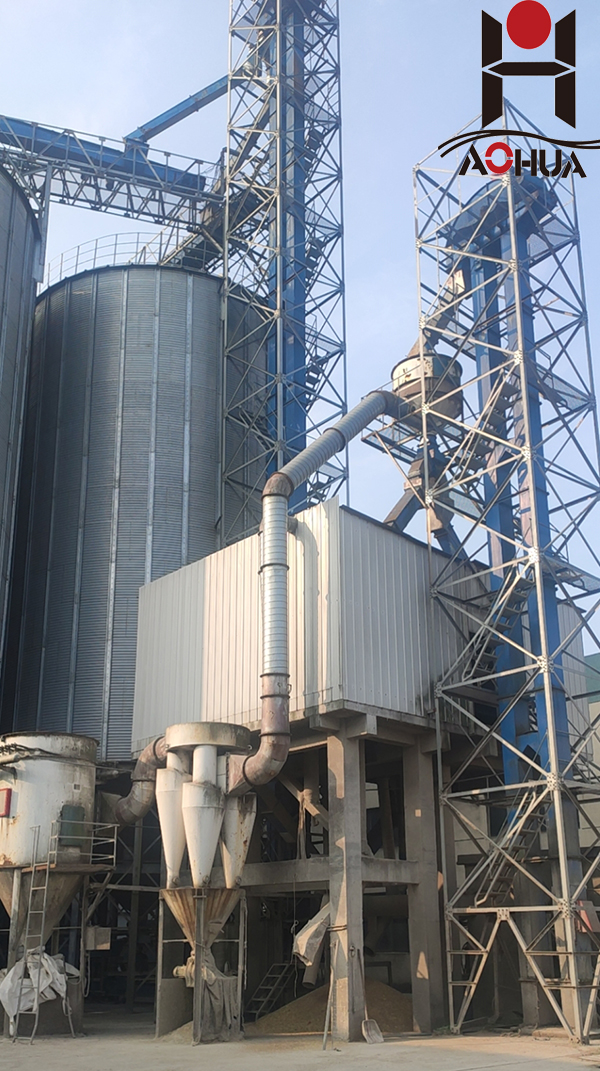
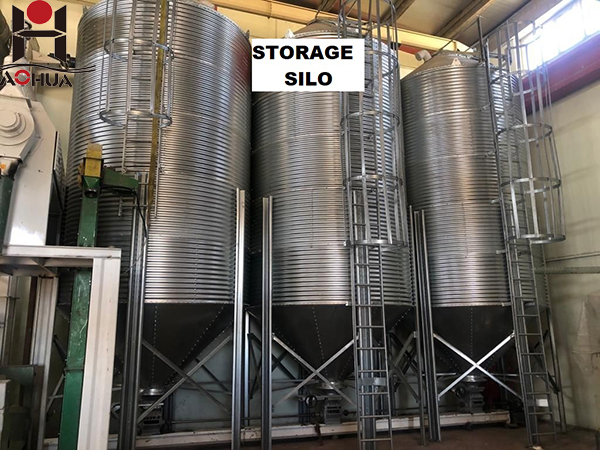
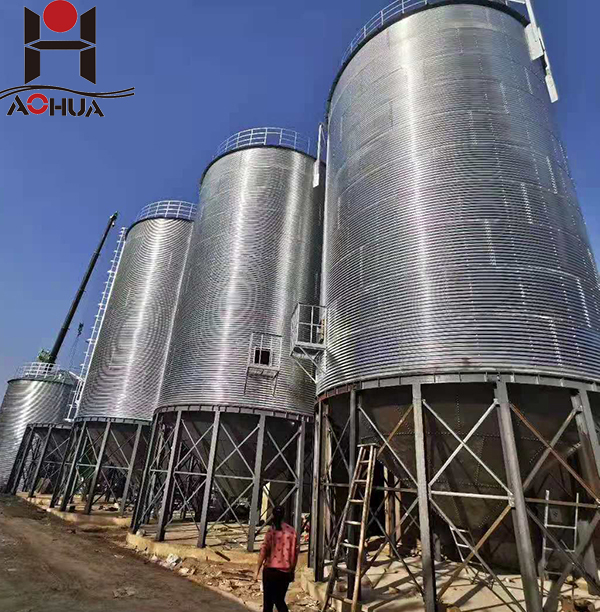
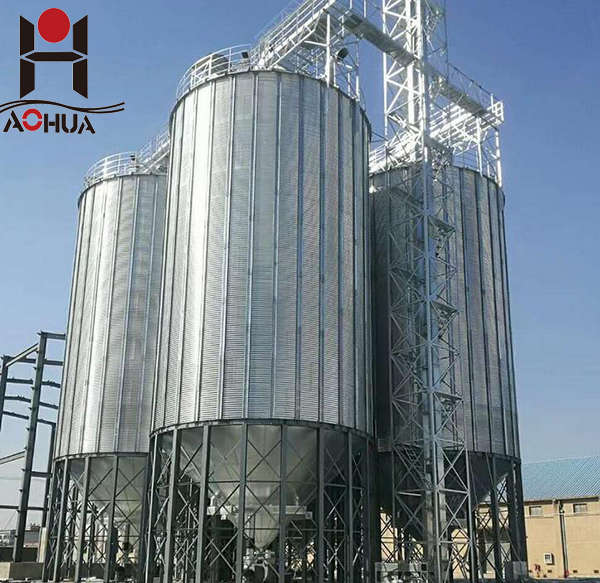
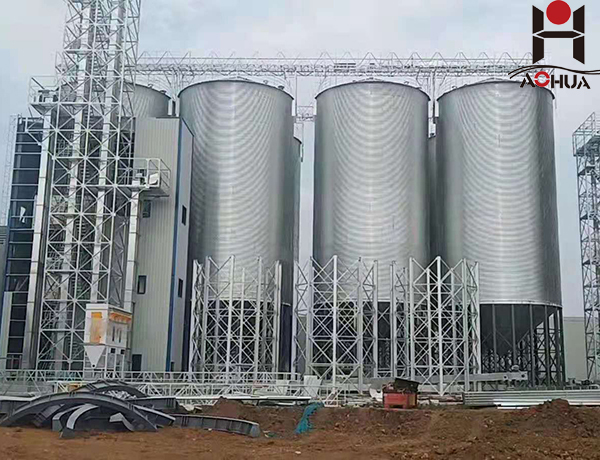
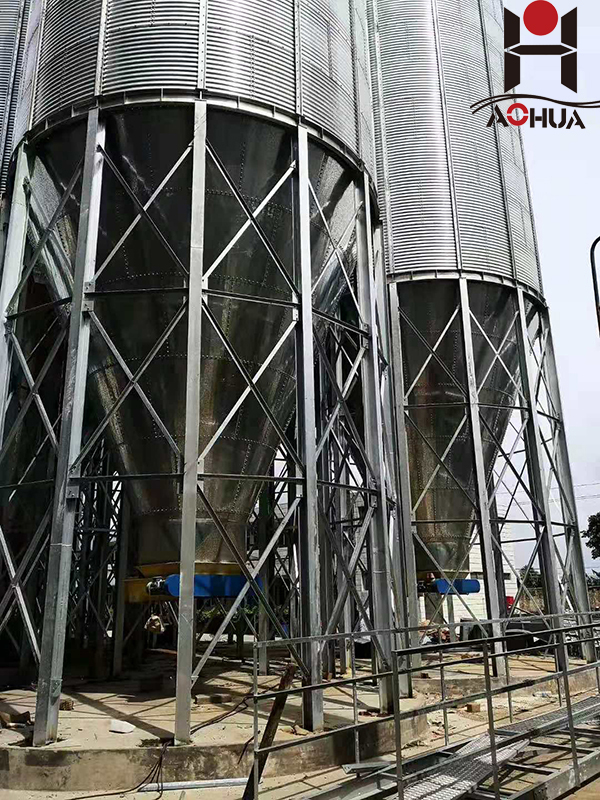
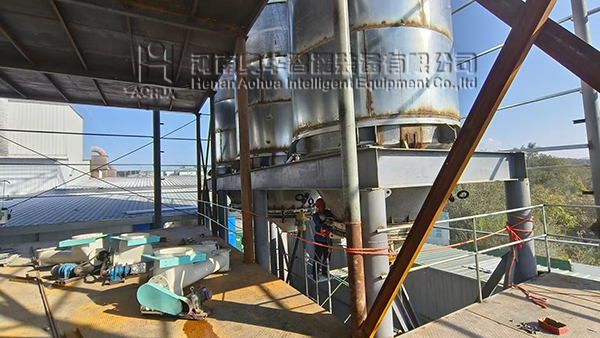
Proper preparation before grain enters a silo is essential to prevent spoilage, insect infestation, and safety hazards. The process begins with a thorough inspection of the silo structure and all handling equipment – conveyors, elevators, cleaners, magnets, and aeration fans must be tested and cleaned. New silos require load‑bearing trials before use.
Proper preparation before grain enters a silo is essential to prevent spoilage, insect infestation, and safety hazards. The process begins with a thorough inspection of the silo structure and all handling equipment – conveyors, elevators, cleaners, magnets, and aeration fans must be tested and cleaned. New silos require load‑bearing trials before use.
Grain quality is paramount: every batch must be tested for moisture and impurities. Moisture should be below the safe storage level (e.g., ≤12 % for wheat, maize, and soybeans), and total impurities must be ≤1.0 %. Substandard grain must be dried and cleaned before intake. Segregate grain by type, grade, and harvest year – never mix new with old or artificially dried with naturally dried maize.
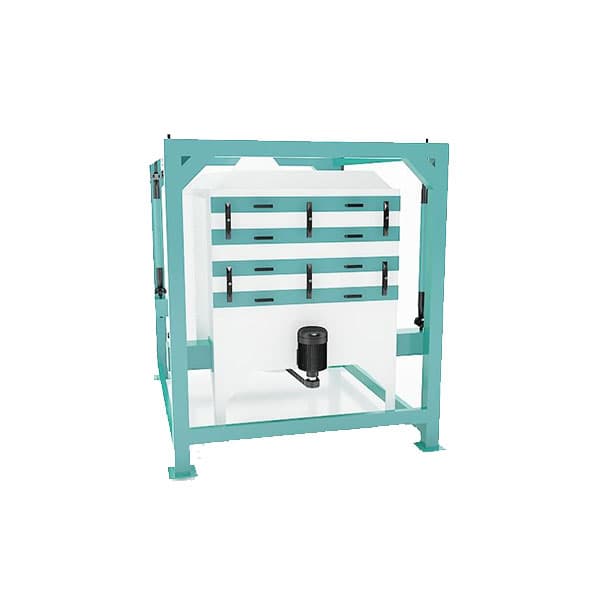
Effective cleaning removes field trash and, crucially, metallic objects that could cause sparks or explosions. Magnetic separators should be in place. To prevent automatic segregation in tall silos, use distributors and level the grain surface during filling.
Operational safety includes avoiding rain during unloading, controlling pest access, following correct start‑up/shutdown sequences, and closing all hatches after filling. Immediately after loading, level the surface, start aeration to equalise temperature and moisture, and monitor conditions regularly.
By adhering to these precautions, you ensure stable, long‑term storage with minimal losses.