
Tartary Buckwheat Seed Cleaning Process – Efficient Solutions for High-Quality Grain Processing
Freshly harvested buckwheat seeds often contain dust, stones, straw, immature grains, and metal impurities. Without proper cleaning, these contaminants can reduce product quality, damage processing equipment, and lower market value. A professional buckwheat cleaning line improves purity, enhances storage stability, and ensures food safety.
Tartary buckwheat (also known as Fagopyrum tataricum) is widely cultivated in China, Russia, and parts of Eastern Europe for its high nutritional value and rich rutin content. To ensure premium flour and food-grade products, an efficient Tartary buckwheat seed cleaning process is essential before dehulling and milling.
Why Buckwheat Cleaning Matters
Freshly harvested buckwheat seeds often contain dust, stones, straw, immature grains, and metal impurities. Without proper cleaning, these contaminants can reduce product quality, damage processing equipment, and lower market value. A professional buckwheat cleaning line improves purity, enhances storage stability, and ensures food safety.
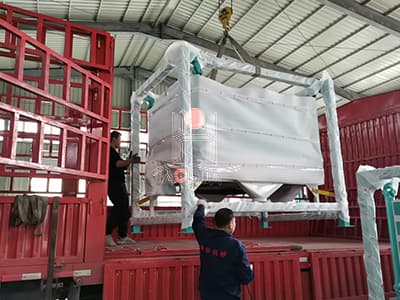
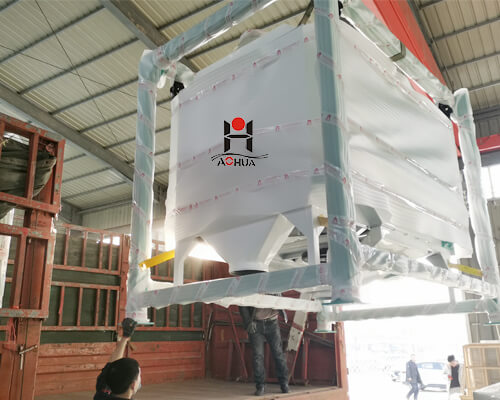
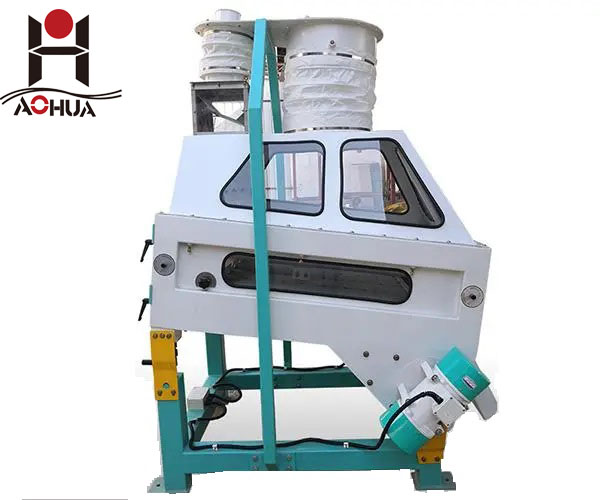
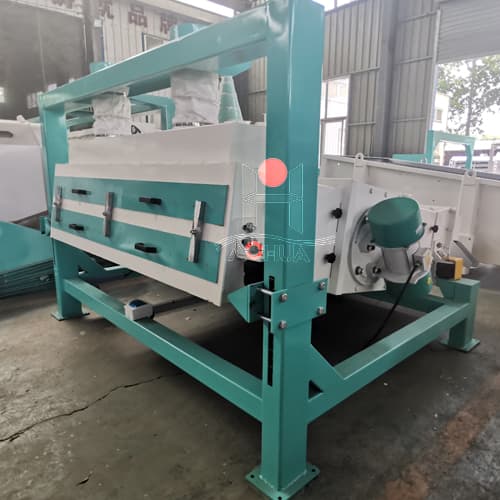
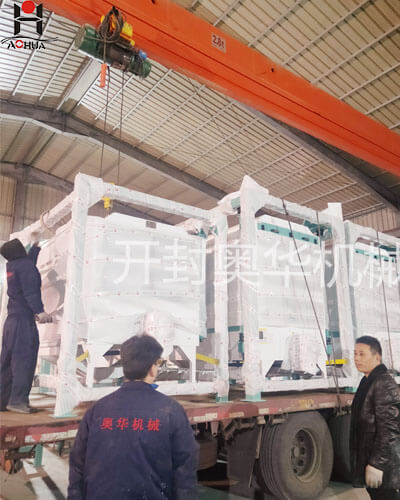
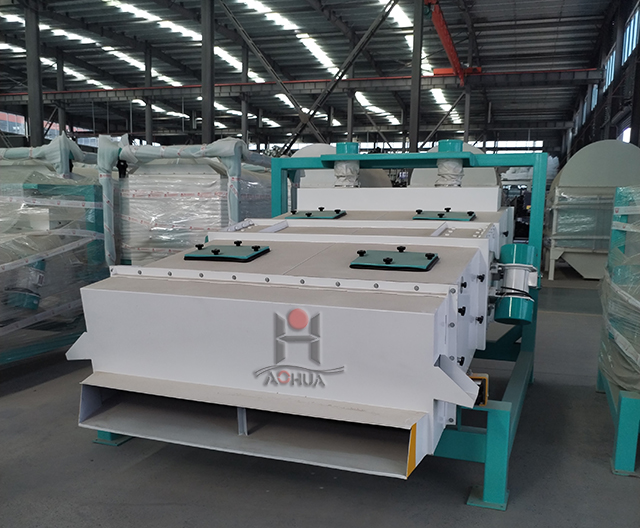
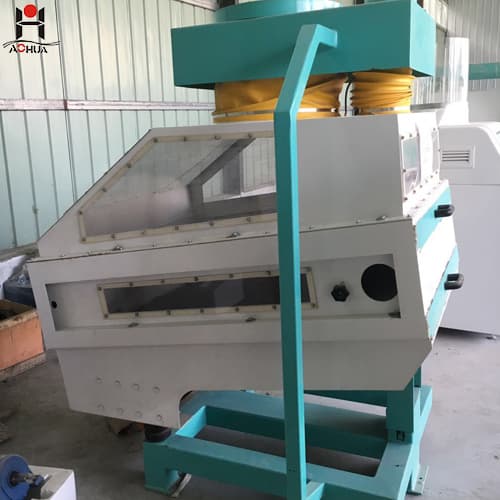
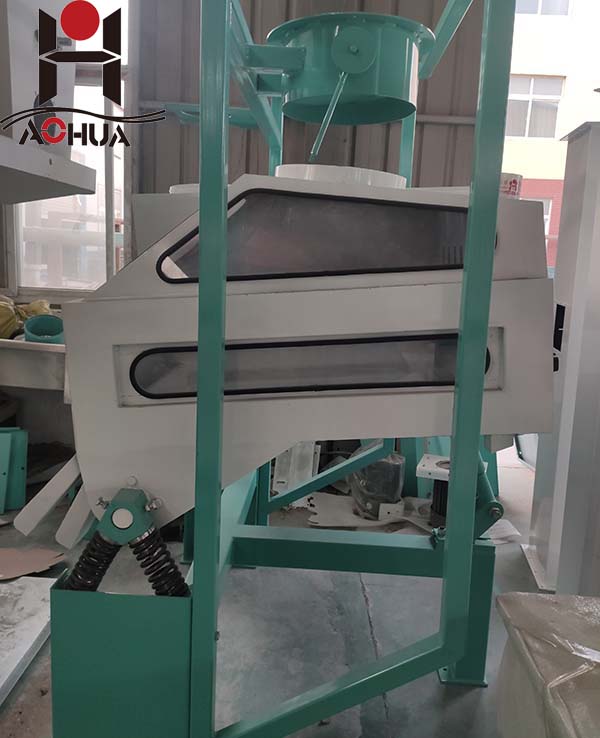
Main Equipment for Buckwheat Seed Cleaning
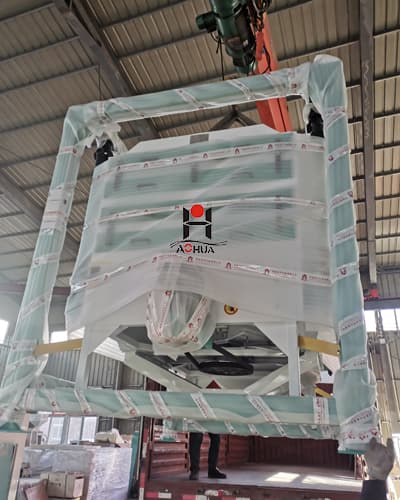
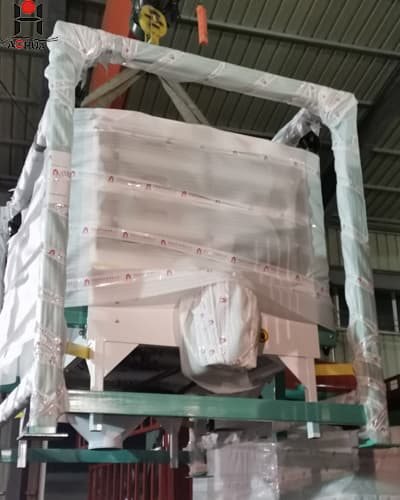
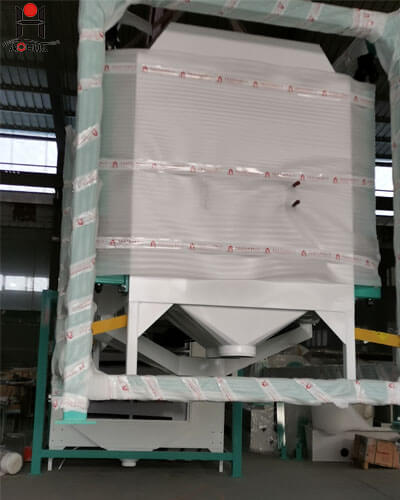
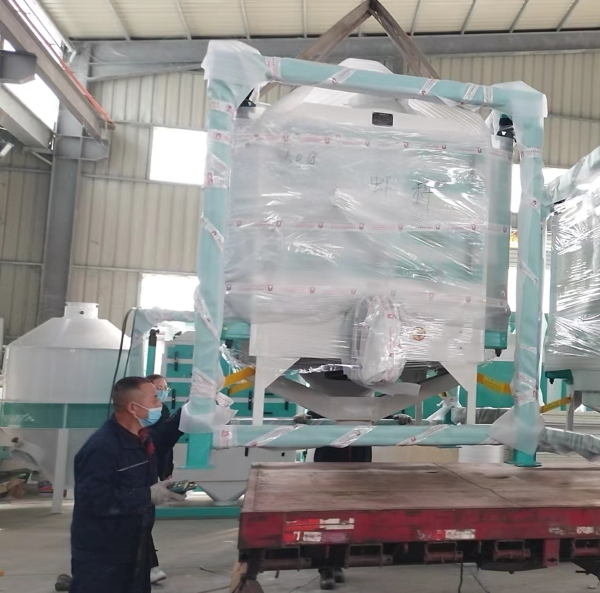
Pre-cleaner – Removes large impurities like straw and leaves.
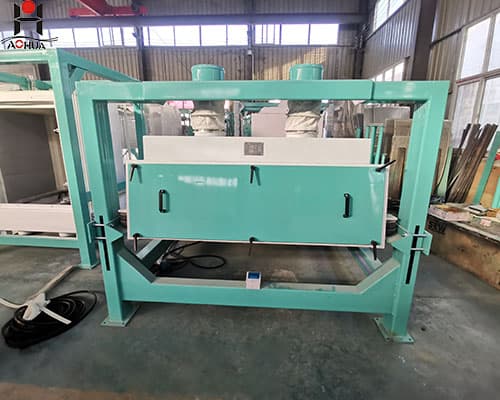
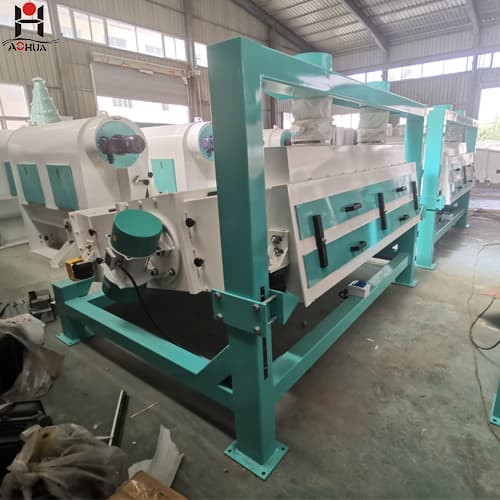
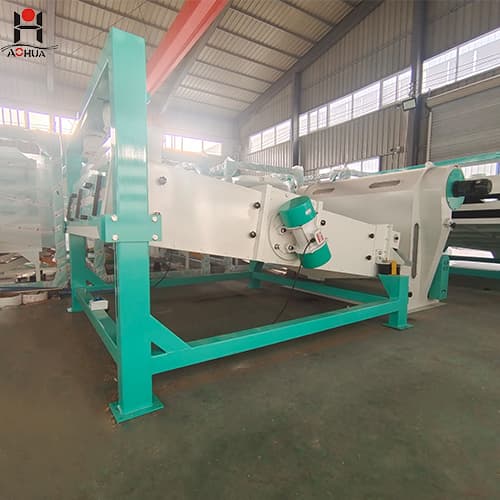
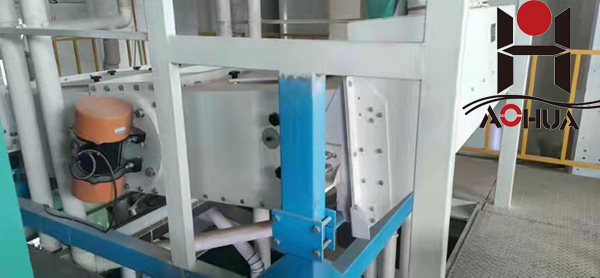
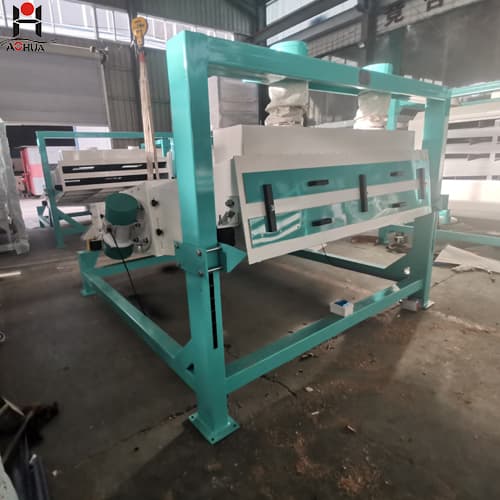
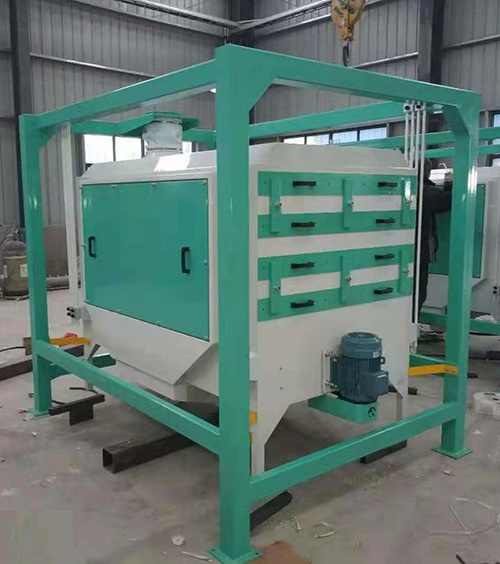
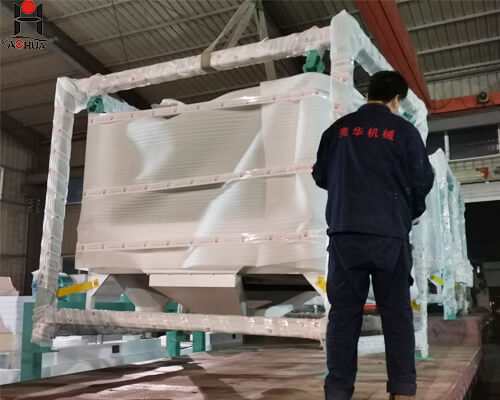
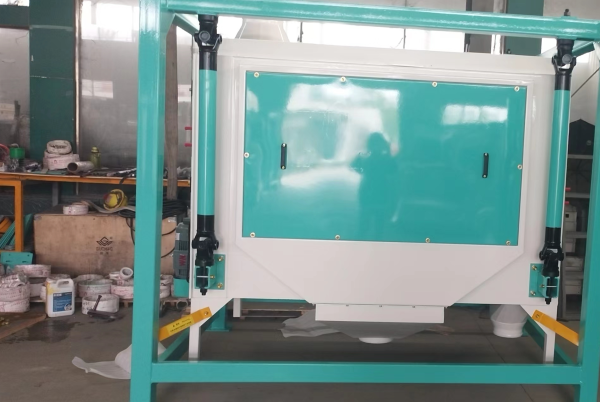
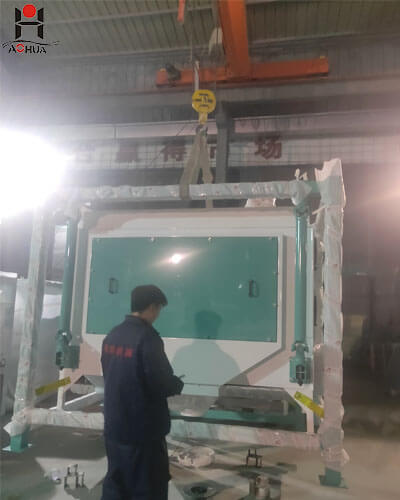
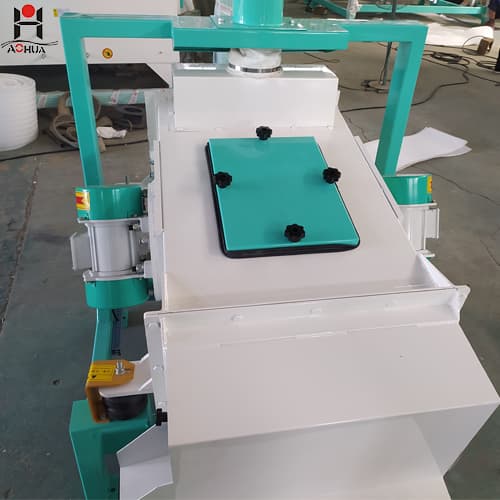
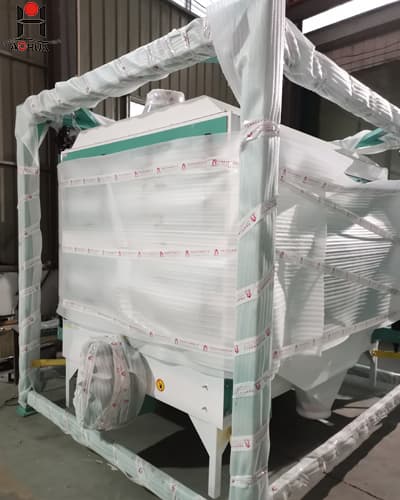
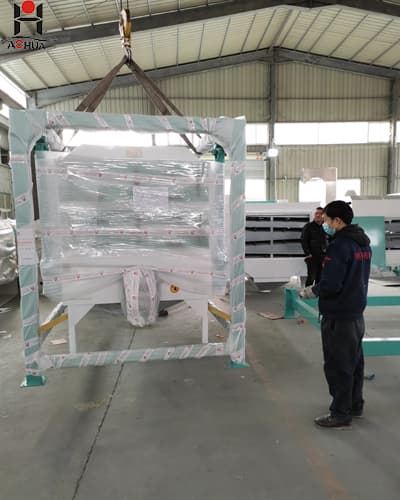
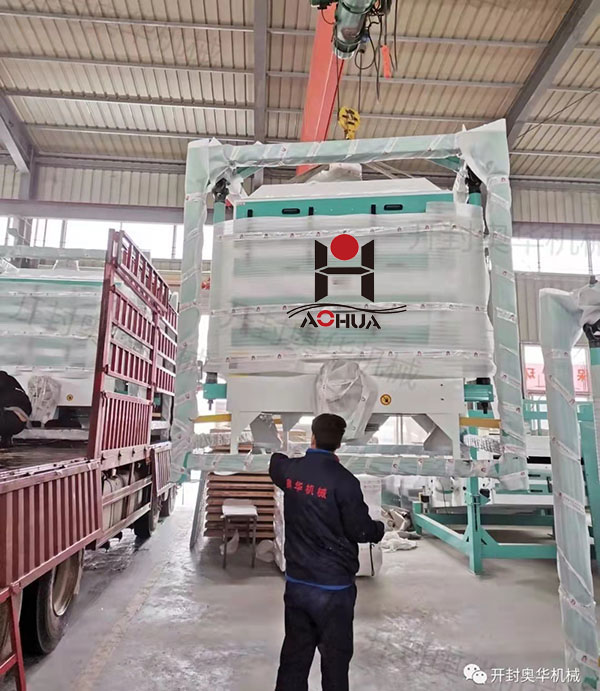
Vibrating sieve separator – Eliminates small and medium-sized impurities.
Destoner machine – Separates stones and heavy particles from buckwheat seeds.
Magnetic separator – Removes metal contaminants.
Air aspirator – Extracts dust and light impurities.
Benefits of an Efficient Buckwheat Cleaning Line
High cleaning efficiency (up to 99% purity)
Reduced equipment wear
Improved dehulling performance
Better final flour quality
Increased export standards compliance
Modern buckwheat seed cleaning systems are widely used in grain processing plants and agricultural cooperatives. Investing in reliable buckwheat cleaning equipment ensures stable production, higher profitability, and consistent product quality.